News · Internet
OpenRouter Removes Three Providers. What Does It Mean for Prompt Privacy?
OpenRouter removed three providers and ZDR eligibility from 125 endpoints after research findings. Understand the scope, Together’s disclosure and user checks.
Event date: 2026-11-22
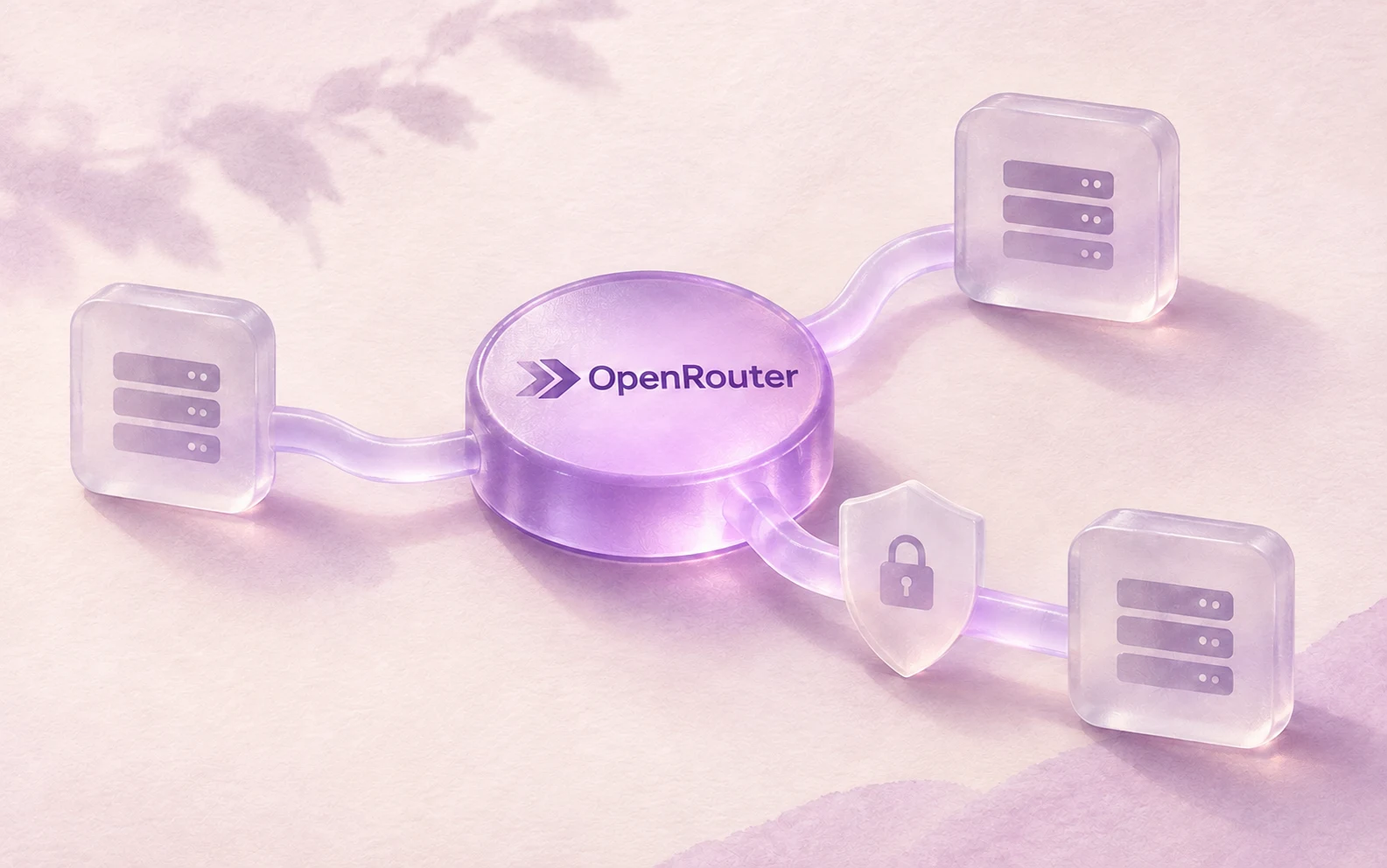
We often choose an AI by its model name. With an intermediary service, another question matters just as much: who actually processes the prompt? OpenRouter’s November 22, 2026 announcement makes that distinction concrete.
OpenRouter says it off-boarded three inference providers and removed Zero Data Retention, or ZDR, eligibility from 125 endpoints after investigations. Some removals were precautionary, so 125 is not a count of endpoints all proven to have leaked data.
This is not a disclosure that all of OpenRouter was hacked
The company explicitly says the findings did not show a breach or unauthorized access to OpenRouter itself. They concerned particular providers. OpenRouter says potentially affected customers were notified and technical checks of network paths are being expanded.

Dragos researchers describe sending prompts containing unique URLs and canary credentials, then monitoring where those test secrets appeared. That is evidence from a controlled experiment, rather than grounds to conclude that every user’s conversations were read by someone else.
Together describes a more specific incident
In its November 21 disclosure, Together says samples from some June–July 2026 serverless requests were stored in a private repository. An access credential was later exposed in public code and used by an unauthorized party to download the samples.
Together says review of the affected contents is ongoing and customers will be contacted as findings require. It also describes credential-management changes and ZDR becoming the default for new accounts. Read each provider’s scope separately rather than treating every disclosure as an identical event.
What users can check now
Start with account notifications and the provider that served your requests, rather than only the model name in a dropdown. Match dates and models against relevant disclosures. If affected prompts contained active secrets such as API keys, coordinate revocation or rotation with the service owner.
For future use, minimize sensitive prompt content and review retention practices throughout the service chain. ZDR is a policy with endpoint-specific scope. The label is not a reason to submit passwords or an entire customer dataset without assessing the actual need and access involved.